History
The German philosophical tradition, and its profound psychological and existential insights of the 19th and 20th centuries, continues to shape how we understand the human condition, the will to power, and the depths of the unconscious.
Philosophers
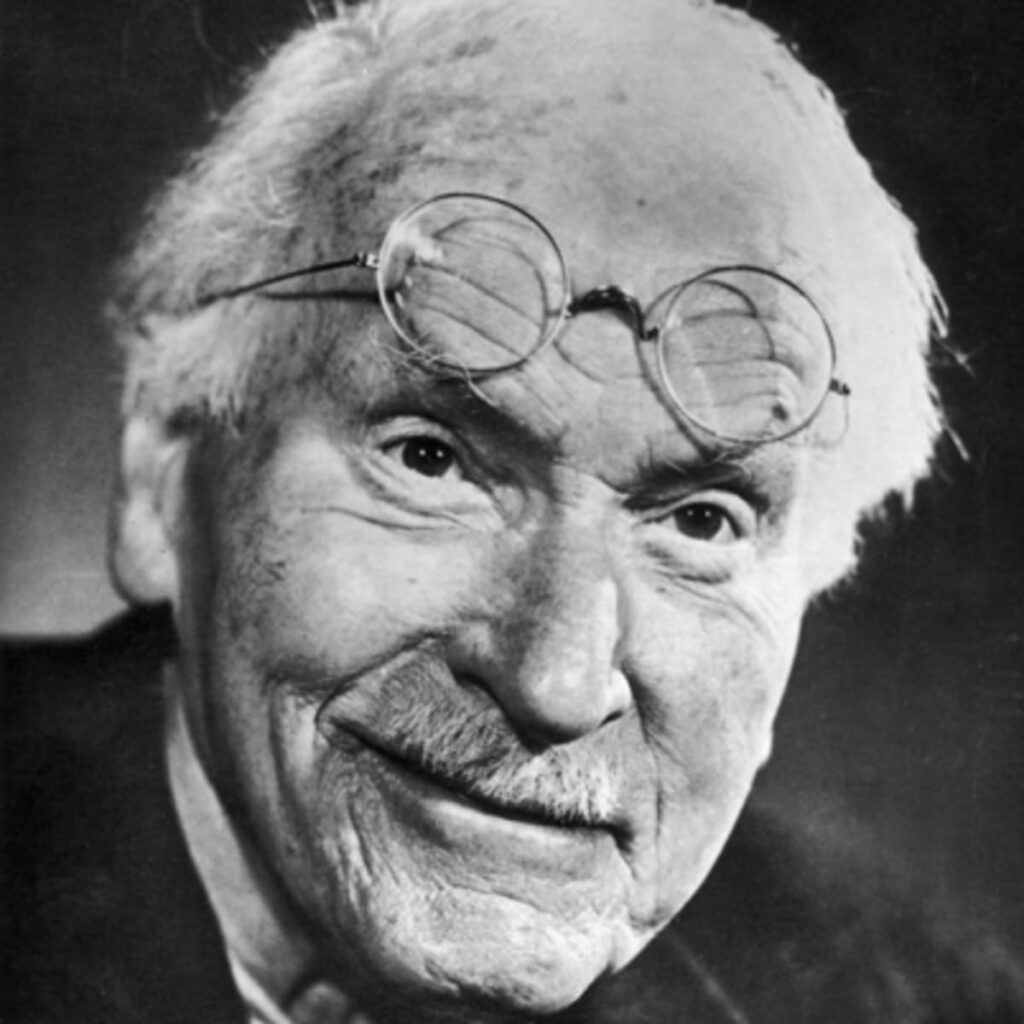
Carl Gustav Jung (1875–1961)
Swiss-German psychiatrist and pioneer of psychology. Founder of analytical psychology. Explored the archetypes, and the process of individuation. His work bridges mythology, alchemy, and modern depth psychology.
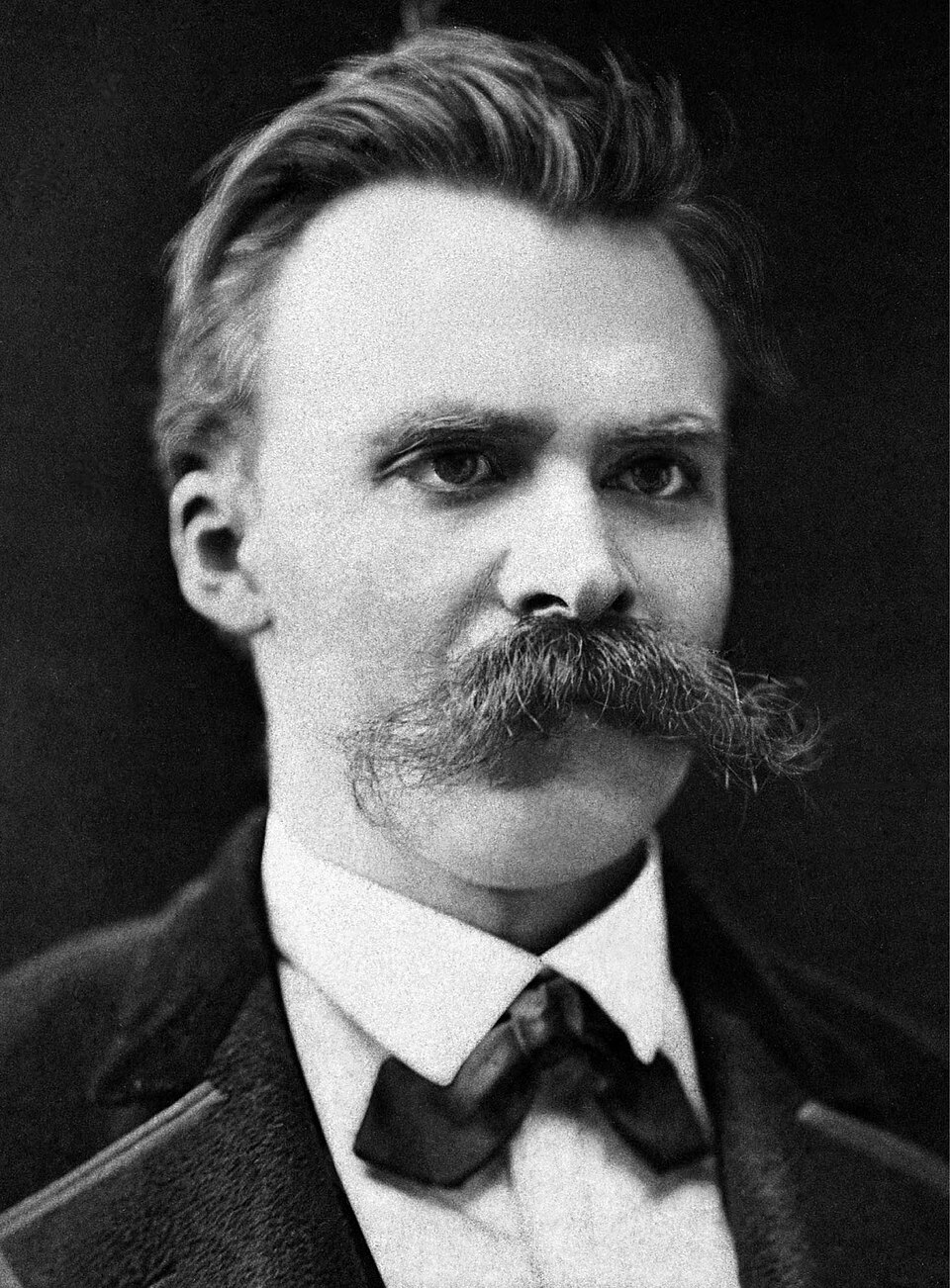
Friedrich Nietzsche (1844–1900)
German philosopher. Known for concepts such as the will to power, eternal recurrence, and the declaration "God is dead." His radical critique of morality, religion, and modernity remains deeply influential.
Germanic Languages
Linguistic heritage related to German.
Swedish
North Germanic language spoken in Sweden and parts of Finland.
North Germanic language spoken in Sweden and parts of Finland.
German
West Germanic language, mother tongue of many central European thinkers.
West Germanic language, mother tongue of many central European thinkers.
Old High German
Earliest attested form of German (c. 750–1050), language of early medieval texts.
Earliest attested form of German (c. 750–1050), language of early medieval texts.
Old Frankish
Ancestor of Old Dutch and a key West Germanic dialect of the Frankish Empire.
Ancestor of Old Dutch and a key West Germanic dialect of the Frankish Empire.
Old English
Anglo-Saxon language (c. 450–1150), the root of modern English.
Anglo-Saxon language (c. 450–1150), the root of modern English.
Old Norse
North Germanic language of the Vikings, source of the Icelandic sagas and Eddas.
North Germanic language of the Vikings, source of the Icelandic sagas and Eddas.